Upgrade Your Property With Professional Fence Installation
Transforming a property through professional fence installation is a sensible option for homeowners. Fences serve to improve both security and privacy but also enhance the overall aesthetic value of a property. With various styles and materials available, selecting the right option can be intimidating. Understanding the benefits and processes involved can render this project far more approachable. What key considerations should homeowners weigh to ensure the investment pays off?
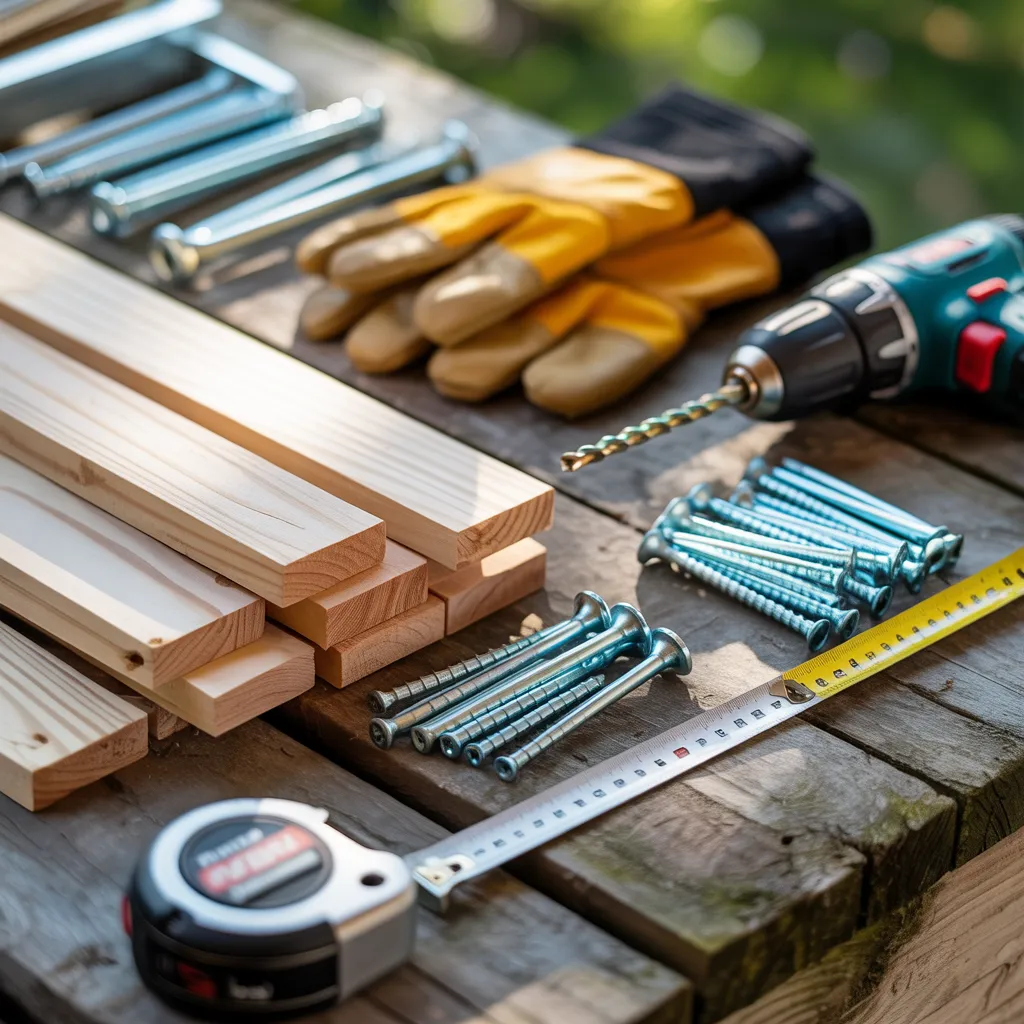
Why Should You Invest in a Professional Fence for Security and Aesthetics?
When homeowners consider enhancing their property, choosing a professional fencing solution fulfills both protective and decorative needs. A properly constructed fence functions as a powerful obstacle, deterring intruders and providing peace of mind. It creates a well-marked border, keeping children and pets safe while increasing privacy.
Beyond security, the selection of design and materials can significantly enhance a property's visual appeal. A skillfully installed fence complements the home's architectural style, creating a cohesive look that boosts curb appeal. High-quality materials and expert craftsmanship guarantee long-lasting performance, minimizing long-term maintenance costs.
Moreover, a fence can enhance property value, making it a wise investment. Home purchasers often view well-defined outdoor spaces as desirable features, which can lead to quicker sales and more competitive offers. When all is said and done, a professional fence installation not only bolsters safety but also improves the overall aesthetic of a property, making it a sound investment for home owners.
Popular Fencing Options to Elevate Curb Appeal
When thinking about installing a fence, different styles can considerably boost a property's curb appeal. Classic wooden fences offer timeless charm, while refined vinyl alternatives ensure longevity and easy care. For a sleek appearance, modern metal designs deliver both style and strength, accommodating a wide range of aesthetic tastes.
Timeless Wooden Fencing
Traditional wooden fences serve as a timeless choice for property owners looking to improve their property's curb appeal. Their organic look suits various architectural styles, ranging from classic to contemporary. Coming in a variety of designs, including picket, board-on-board, and shadowbox, wooden fences can be tailored to fit individual preferences and landscaping. The warm tones of wood add a timeless character that can ease the aesthetic of any property, establishing a welcoming environment. Additionally, these fences can provide privacy while still permitting airflow and natural light. Through regular upkeep such as staining and sealing, wood fences can endure for many years, making them a durable investment. At their core, they act as both a useful boundary and a striking addition that improves the overall appearance of a home.
Elegant Vinyl Options
With homeowners continually searching for low-maintenance solutions without sacrificing style, elegant vinyl fence options have emerged as a popular choice to boost a home's exterior appearance. Such fences can be found in numerous designs, including classic picket styles and sleek privacy panels, giving homeowners the freedom to align with their preferred look effortlessly. Vinyl fencing holds up against fading, warping, and rust, providing reliable resilience and sustained visual charm. Offered in a diverse range of shades and surface styles, they can mimic the appearance of wood or offer a modern finish. In addition, their seamless surfaces make maintenance straightforward, rendering them a sensible choice for homeowners on the go. By selecting refined vinyl fence solutions, homeowners can achieve a refined look while enjoying the benefits of minimal upkeep and high resilience.
Contemporary Metal Designs
Horizontal slats, geometric configurations, and mixed materials have become popular choices, generating visual appeal and a contemporary aesthetic. Additionally, metal fence installations can fulfill functional roles, such as delivering security without compromising aesthetics. Certain homeowners opt for ornamental features, like laser-cut designs, to incorporate a personalized detail. Ultimately, contemporary metal fencing not only enhances visual appeal but also contributes to a property's value and longevity.
Picking the Ideal Fence Material for Your Situation
Choosing the right fencing material is crucial for both functionality and aesthetics. Options such as wood, vinyl, and metal each offers distinct advantages that cater to a range of needs and personal preferences. Understanding these benefits can help homeowners make informed decisions for their fencing projects.
Wood Fencing Benefits
Wood fencing offers a timeless look that adds character of any property while delivering many useful benefits. Among its greatest strengths is flexibility; wood is available in multiple designs, heights, and stains to complement diverse architectural styles. In addition, wood functions as an effective insulator, contributing to noise reduction and increased privacy. Wood is also eco-friendly, positioning it as a green alternative relative to man-made materials. With routine upkeep, wood fences offer lasting performance, providing durability alongside their visual appeal. Moreover, wood can be easily repaired or replaced, providing a cost-effective solution for property owners. All things considered, wood fencing not only beautifies a property but also serves functional purposes, establishing it as a preferred option among homeowners.
Vinyl Fence Durability
Vinyl fencing stands out as a durable alternative to standard wooden fencing materials. Celebrated for its ability to resist rot, decay, and pests, vinyl delivers enduring protection with minimal upkeep required. As opposed to wood, which is prone to warping and splintering, vinyl retains its structural durability and attractive appearance even under harsh climate conditions. The material features UV resistance as well, guarding against fading and color loss from sunlight. Additionally, vinyl fences come in a variety of styles and colors, giving homeowners the freedom to pick designs that suit their home. Although upfront costs can exceed those of wood, the lasting performance and reduced maintenance of vinyl fencing render it an economical decision in the long term. In summary, vinyl fencing represents a functional and sturdy choice for improving any property.
Understanding Metal Options
When evaluating fencing options, metal materials such as aluminum and steel offer robust solutions tailored to various needs. Aluminum is lightweight, resistant to corrosion, and requires minimal maintenance, making it a perfect choice for home installations. It provides an aesthetically pleasing option that complements various architectural styles. Conversely, steel is recognized for its toughness and longevity, rendering it ideal for installations that prioritize security. It resists tough weather and physical stress, guaranteeing durable protection. However, steel may require occasional maintenance to prevent rust. In the end, the decision between aluminum and steel depends on elements like cost, preferred aesthetics, and particular functional needs. Understanding these distinctions can greatly enhance property value while meeting personal preferences.
5 Key Advantages of Professional Fence Installation
Although many homeowners might think about tackling fence installation themselves, choosing professional services provides considerable benefits. To begin, experienced professionals contribute their expertise, making certain the fence is installed accurately and efficiently. Furthermore, they frequently utilize superior materials and tools, delivering a sturdy and attractive finished product. Third, professional services can spare homeowners valuable time, letting them direct their attention elsewhere rather than tackling a challenging project. As another benefit, experts can provide valuable advice on design and placement, tailoring the fence to meet specific needs and local regulations. Lastly, many professional services offer warranties, providing peace of mind regarding the longevity and quality of the installation. Ultimately, committing to professional fence installation not only increases property value but also secures a seamless experience for the homeowner.
What You Can Expect During Fence Installation
Knowing about the fence installation process helps homeowners to anticipate the transformation of their outdoor space. Generally, the process kicks off with an evaluation of the property, where experts assess the area and discuss design options. Subsequently, homeowners can anticipate the marking of boundaries, confirming compliance with local regulations and neighboring jump in property agreements.
After all preparations are finished, the crew of installers will begin digging post holes and securing the fence panels or boards. Concrete may be used during this phase for greater stability. Homeowners should be aware of potential noise and disruption during this phase, as various tools and machinery will be operating.
Finally, the crew will conduct a thorough inspection to confirm that all elements are correctly positioned and fastened. After the installation has been completed, homeowners will receive guidance on any essential care considerations. Altogether, being familiar with this procedure encourages a more effortless experience and improves overall contentment with the new fence installation.
How to Look After Your New Fence
After the successful installation of a new fence, proper care becomes essential to preserve its lifespan and attractive appearance. Consistent upkeep is essential, commencing with regular examinations for signs of wear, such as rotting wood or rusted metal. Washing the fence a minimum of once annually aids in eliminating grime and buildup, ensuring it remains visually appealing. For wooden fences, applying a protective sealant or stain every few years can prevent moisture damage and UV degradation. Metal fencing structures may require a layer of anti-corrosion paint to ward off corrosion. Furthermore, cutting back plants that grow near the fence reduces the risk of infestations and deterioration. It remains critical to resolve problems in a timely manner, as neglect can lead to more significant problems down the line. By adhering to these maintenance guidelines, homeowners can enjoy their new fence for many years while maintaining its strength and beauty.
Collaborating With Fence Installation Professionals
When property owners choose to improve their home with a new fence, working with skilled installation experts can significantly streamline the process. These professionals offer essential expertise regarding materials, design choices, and local regulations, guaranteeing that the project reflects the homeowner's goals and conforms to zoning regulations.
Before starting, it's helpful for homeowners to clearly communicate their preferences, including the preferred purpose, style, and height of the fence installation. Skilled professionals can then deliver personalized suggestions, helping to avoid common pitfalls.
Moreover, scheduling a consultation facilitates an evaluation of the location, pinpointing any potential challenges such as irregular terrain or pre-existing landscaping.
Financial Planning for Your Fence Installation Project
Budgeting for a fence installation project necessitates a thorough review of various factors that can impact overall costs. Initially, the type of materials chosen has a major impact; wood, vinyl, and metal all carry distinct price ranges and upkeep requirements. Furthermore, the scale and intricacy of the property should be assessed, as larger or irregularly shaped yards may require additional labor and materials.
Labor costs can vary widely depending on local rates and the expertise of the installation team. Property owners must also consider permits and zoning requirements, which can result in additional charges. It is also wise to allocate a contingency fund for unanticipated expenditures. Through a thorough analysis of these components, property owners can establish a well-rounded budget that reflects their financial means while guaranteeing the placement of a high-quality fence that improves their property.
Frequently Asked Questions
How Long Does a Typical Fence Installation Take?
A standard fence installation could span anywhere from one day to multiple days, based on factors including the type of fence, terrain, and size of the property, as well as weather conditions that can impact the overall schedule.
Am I Able to Install a Fence on My Own?
Indeed, a homeowner can set up a fence on their own. Nevertheless, it requires thorough preparation, proper equipment, and familiarity with local regulations. Success copyrights on the homeowner's level of expertise and investment in the task.
What Permits Do You Need for Fence Installation?
Local regulations typically require fencing permits prior to installation, depending on the local jurisdiction. Homeowners are encouraged to reach out to their city or county zoning authority to determine specific requirements, including property boundary rules, height limitations, and applicable HOA regulations that might be in effect.
Will My Fence Affect My Property Value?
A well-designed fence can boost property value by enhancing curb appeal and offering privacy, while deteriorating or poorly designed fences may reduce it. Overall, quality and design greatly influence the perceived worth of a property.
How Do I Find a Reputable Fence Contractor?
To select a reliable fencing professional, you should review feedback, verify credentials, gather multiple bids, and evaluate previous work. Maintaining open communication and a thorough understanding of the agreement will additionally strengthen the overall selection process.